
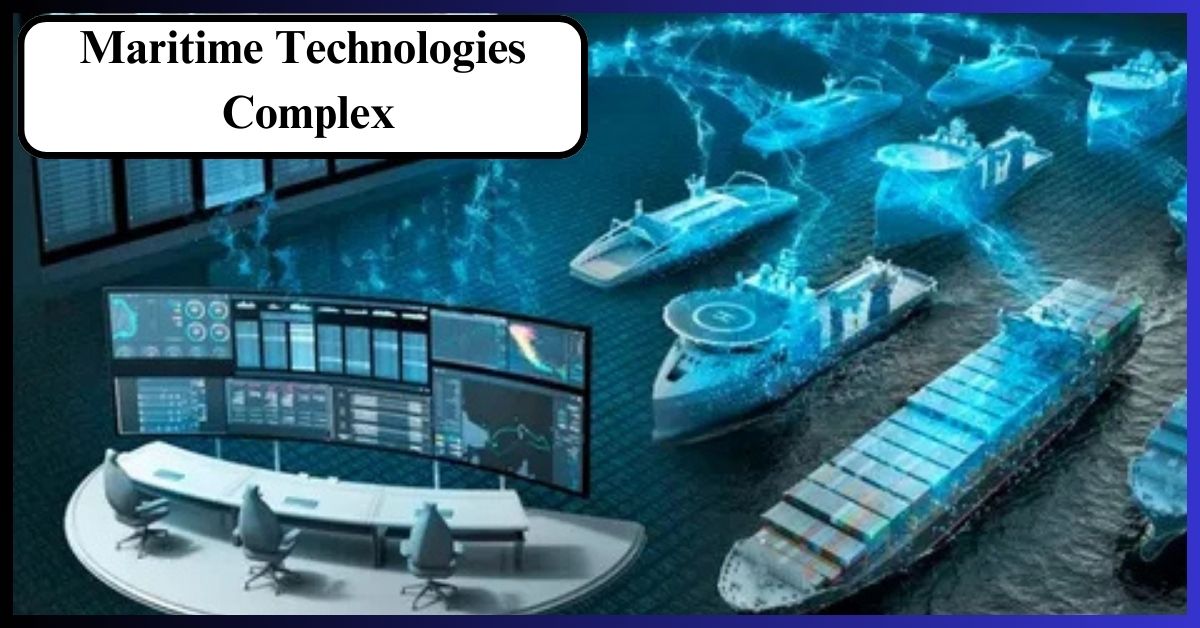
Introduction to Maritime Technologies Complex
The maritime industry has long been a cornerstone of global trade, exploration, and innovation. As technology advances, the concept of a naval technologies complex emerges as a hub for cutting-edge advancements, transforming how we navigate, communicate, and operate at sea. This blog explores how the United States is in charge of maritime innovations, the technologies driving change, and their implications for the future.
What is a Maritime Technologies Complex?
A maritime technologies complex refers to a concentrated effort or facility dedicated to the research, development, and implementation of advanced naval technologies. These complexes aim to address environmental sustainability, operational efficiency, and national security challenges, leveraging state-of-the-art solutions to ensure the maritime sector’s growth and resilience.
Why Focus on Maritime Technologies Complexes?
Economic Significance
The maritime industry contributes billions to the U.S. economy, supporting millions of jobs. Technological advancements ensure that the sector remains competitive globally.
Environmental Impact
Maritime technologies are pivotal in reducing carbon emissions, promoting sustainable shipping practices, and protecting marine ecosystems.
Security Enhancements
Advanced maritime technologies bolster national defence capabilities, safeguarding borders and ensuring secure trade routes.
Key Innovations Driving the Maritime Technologies Complex
1. Autonomous Shipping
What is Autonomous Shipping?
Autonomous shipping involves vessels equipped with artificial intelligence (AI) and sensors to navigate without human intervention. These vessels promise efficiency and safety, reducing human error.
Benefits
- Lower operational costs
- Enhanced safety
- Real-time data analytics
Challenges
- Regulatory hurdles
- High initial investment
- Cybersecurity risks
2. Advanced Hull Design
Revolutionizing Vessel Efficiency
Innovations in hull design improve fuel efficiency and reduce drag. Computational Fluid Dynamics (CFD) simulations help optimize designs, ensuring minimal resistance and maximum speed.
Key Features
- Bio-inspired designs
- Use of lightweight materials
- Integration of air lubrication systems
3. Smart Ports
What Are Smart Ports?
Smart ports utilize Internet of Things (IoT) devices, AI, and big data to streamline port operations. These technologies enhance cargo handling, reduce wait times, and improve efficiency.
Technologies Used
- Automated cranes
- Blockchain for transparent logistics
- Predictive maintenance systems
4. Green Shipping Initiatives
Focus on Sustainability
Maritime technologies complexes prioritize green initiatives, such as renewable energy-powered vessels and eco-friendly propulsion systems.
Examples
- LNG-powered ships
- Hybrid and electric propulsion systems
- Solar-assisted vessels
5. Advanced Communication Systems
Seamless Connectivity at Sea
Modern communication systems ensure reliable connectivity for navigation, crew welfare, and emergency responses.
Technologies
- Satellite communication
- 5G networks for maritime use
- Long-range AIS (Automatic Identification Systems)
6. Maritime Cybersecurity
Importance of Cybersecurity
With increased digitization, maritime systems are vulnerable to cyberattacks. Complexes focus on developing robust cybersecurity measures to protect critical infrastructure.
Key Strategies
- Real-time threat monitoring
- Encrypted communication systems
- Incident response frameworks
7. Ocean Exploration Technologies
Unlocking the Mysteries of the Deep
Technologies like autonomous underwater vehicles (AUVs) and remotely operated vehicles (ROVs) enable deep-sea exploration for research and resource extraction.
Applications
- Marine biology studies
- Underwater archaeology
- Deep-sea mining
The Role of the USA in Maritime Technologies Complex Development
Leading Research Institutions
The United States boasts premier institutions, such as MIT’s Center for Ocean Engineering and the University of Washington’s Applied Physics Laboratory, driving innovation in maritime technologies.
Government Initiatives
Maritime Administration (MARAD)
MARAD promotes the development of advanced technologies to enhance the U.S. maritime industry’s competitiveness.
Defense Innovation
The Department of Defense invests heavily in maritime technologies, ensuring national security and military superiority.
Industry Partnerships
Collaborations between private companies, research institutions, and government agencies accelerate technological advancements and their real-world applications.
FAQs About Maritime Technologies Complex
What is the primary goal of a maritime technologies complex?
The goal is to innovate and implement technologies that improve maritime operations’ efficiency, safety, and sustainability.
Are maritime technology complexes limited to the U.S.?
Countries like Norway, Japan, and China invest in similar initiatives to enhance their maritime sectors.
How do maritime technologies impact everyday consumers?
These technologies ensure faster, safer, and more cost-effective shipping, ultimately lowering costs for imported goods.
What challenges do maritime technologies face?
Challenges include high implementation costs, regulatory issues, and the need for skilled professionals to manage advanced systems.
Conclusion: The Future of Maritime Technologies Complex
The maritime technologies complex is a testament to human ingenuity and the drive to overcome challenges in one of the world’s most vital industries. As the U.S. continues to innovate, these technologies promise a future of sustainable, secure, and efficient maritime operations. By embracing these advancements, we pave the way for a more connected and prosperous world.

